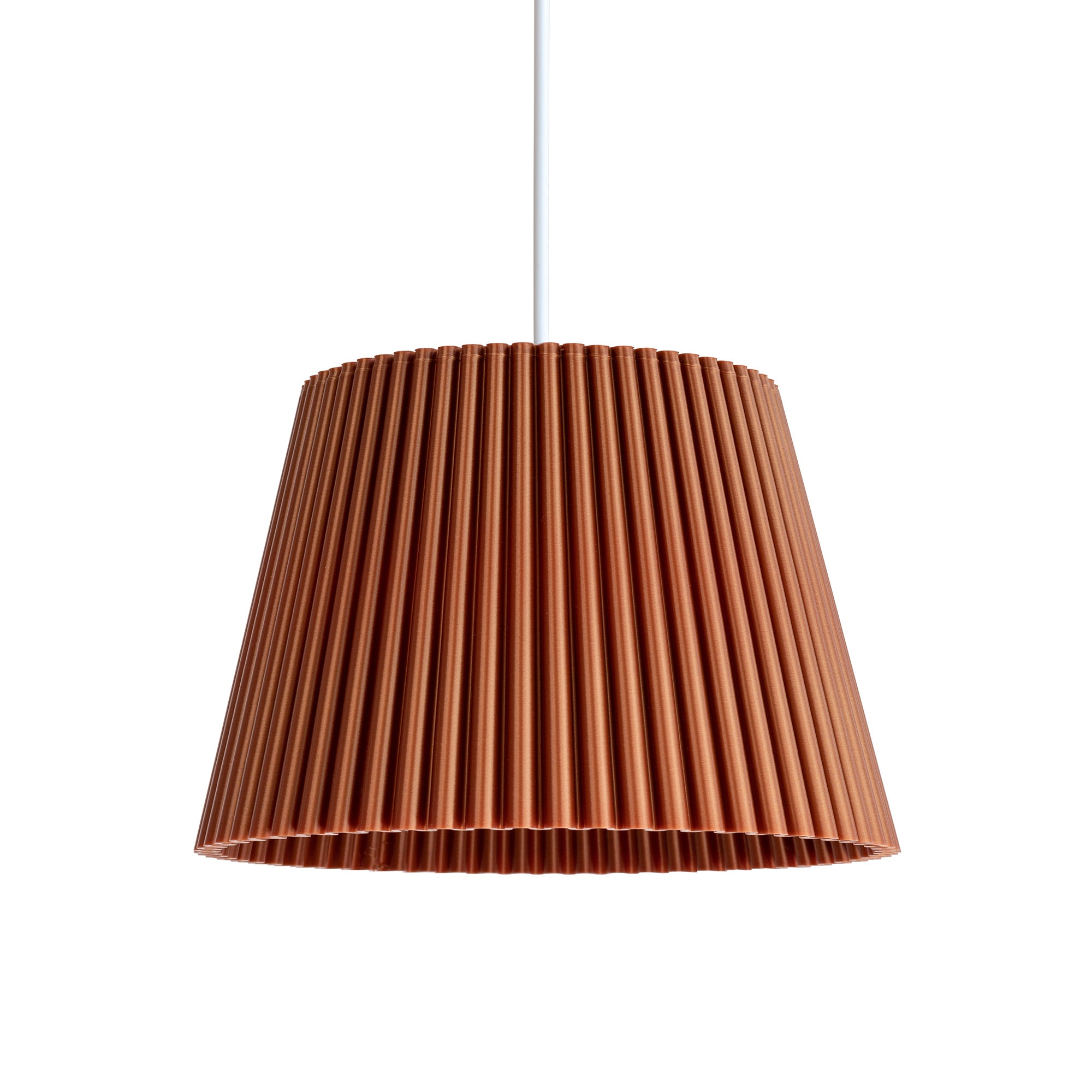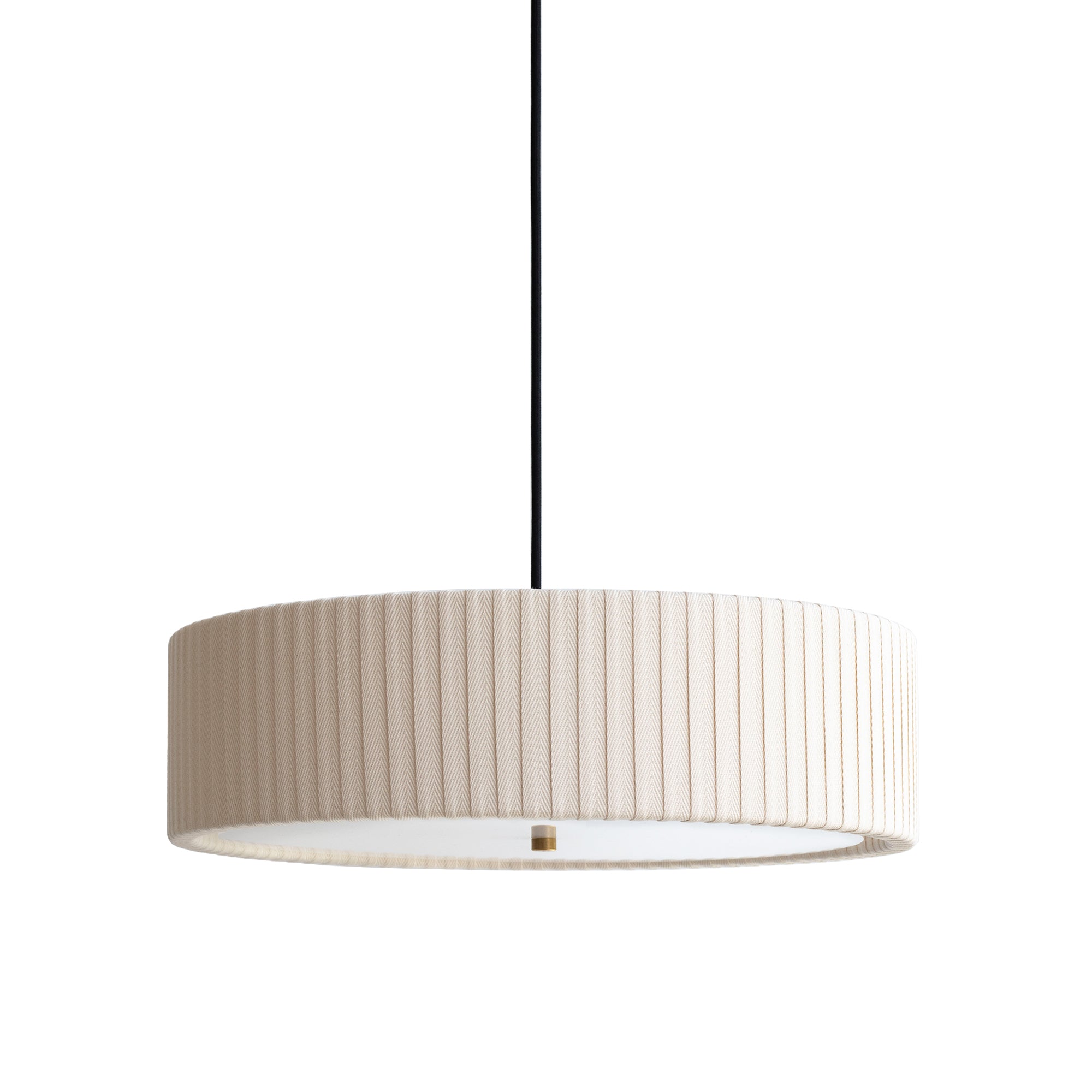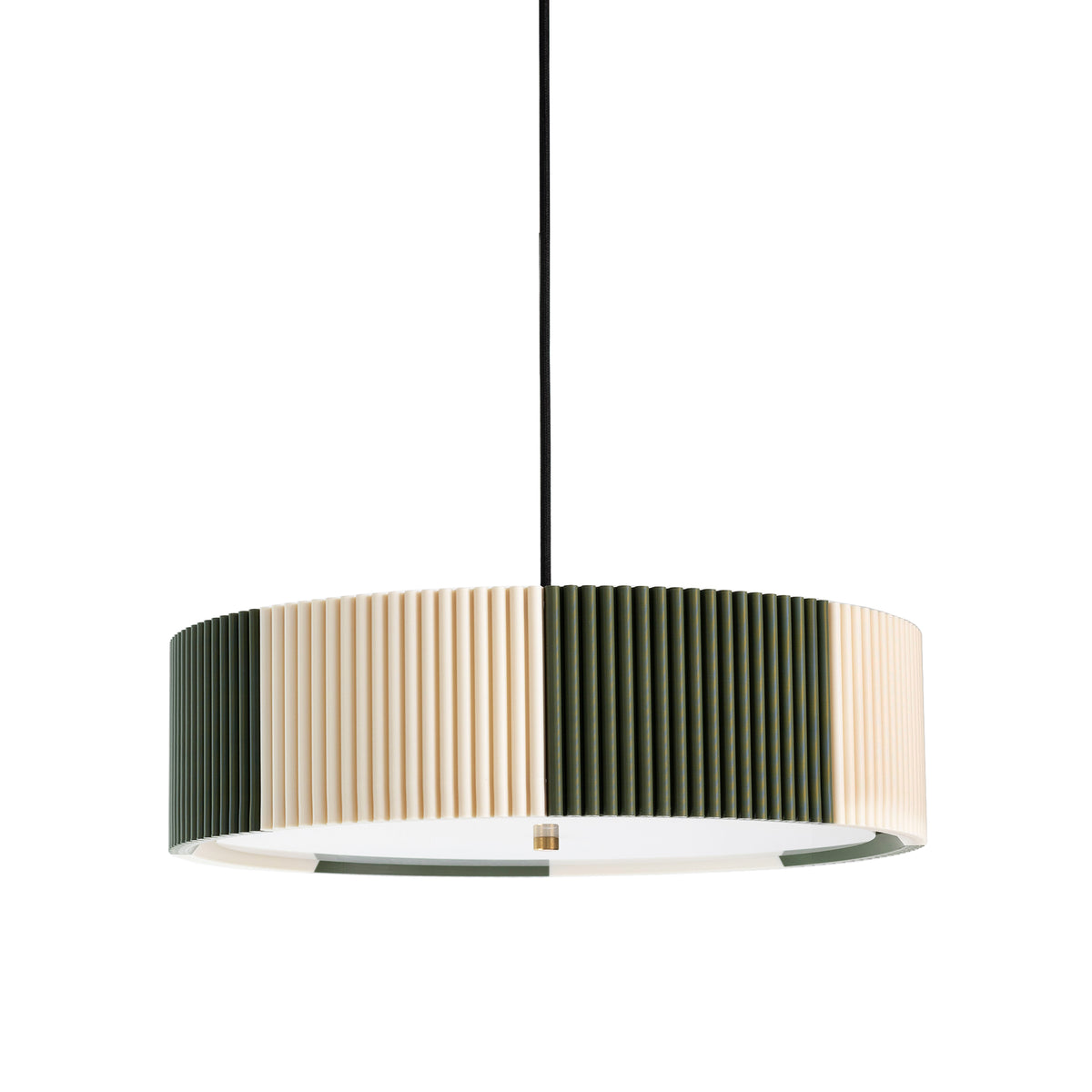


Soli Workshop’s contemporary lighting collection combines architectural precision with ambient warmth. Each piece is designed to define space without overwhelming it, introducing balance, clarity, and modern character into residential and commercial interiors.
Contemporary Architectural Pendant Lighting
Architectural pendant lighting plays a defining role in modern interiors. More than a functional necessity, a well-designed pendant light shapes atmosphere, enhances spatial clarity, and establishes visual balance. At Soli Workshop, our modern architectural pendant lighting collection is designed to bring refined structure and contemporary character into residential and commercial spaces.
Modern Pendant Lighting for Architectural Interiors
Modern pendant lighting should do more than illuminate a room. It should interact with the architecture around it. Clean geometries, balanced proportions, and thoughtful material choices allow each pendant light to integrate naturally into modern interiors. Whether suspended above a dining table, kitchen island, or open living space, architectural pendant lighting creates both focus and harmony.
Designing with Contemporary Pendant Lights
Contemporary pendant lighting works best when aligned with the spatial logic of a room. In open-plan interiors, pendant lights can define functional zones without interrupting visual flow.
Above a dining table, a refined pendant light or a linear arrangement of fixtures can create visual balance while delivering comfortable, diffused light.
In kitchens, pendant lighting above an island should provide practical downward light while maintaining visual lightness. In living rooms, softer ambient pendant lighting enhances comfort and supports a range of daily activities, from reading to conversation.
How High Should a Pendant Light Hang?
Proper placement is essential for both functionality and aesthetics. When installing pendant lighting above a table or kitchen island, the recommended height is typically 70 to 100 centimeters above the surface. This ensures sufficient illumination without obstructing sightlines.
If installed too high, the light becomes overly diffused and loses its visual presence. If placed too low, it can interrupt movement and reduce spatial clarity. Balanced positioning enhances both performance and design impact.
Diffused vs Direct Pendant Lighting
Diffused pendant lighting creates soft ambient light that evenly distributes brightness across a room. This approach is ideal for dining areas, bedrooms, and living spaces where comfort and atmosphere are priorities.
Direct pendant lighting, on the other hand, concentrates illumination downward. This solution is particularly effective in task-oriented environments such as kitchens or workspaces. Selecting the right lighting direction depends on how the space is used and the mood you wish to create.
Materials and Finishes
Material choice defines the character of architectural pendant lighting. At Soli Workshop, our collection is built around two distinct material approaches.
Our contemporary PLA pendant lights are produced using precision 3D printing technology. Lightweight and structurally refined, these pieces offer both diffused and direct lighting options. White finishes create soft, ambient illumination, while colored variations introduce more focused, directional light with a stronger visual presence.
Alongside these designs, our high-end cotton ribbon collection explores texture and timeless geometry. Each shade is carefully wrapped in 100% cotton ribbon, forming classic silhouettes such as cone, drum, and dome shapes. Beneath the textile structure, a frosted acrylic diffuser ensures balanced light distribution while preserving the softness of the material.
This combination of material innovation and tactile craftsmanship allows Soli Workshop pendant lighting to balance contemporary design with warmth and architectural clarity.
Layering Pendant Lighting with Other Fixtures
While pendant lighting often provides primary illumination, it works best when complemented by additional light sources at eye level. Carefully positioned table lights introduce a softer, more intimate layer of illumination that enhances depth and flexibility within a space.
In dining areas and living rooms, pairing a pendant light with refined table lights helps create a balanced lighting composition. Overhead light defines the space, while table-level lighting adds warmth and atmosphere, particularly during evening hours. This layered approach ensures that pendant lighting remains adaptable throughout the day, shifting naturally from functional brightness to a more ambient setting as needed.
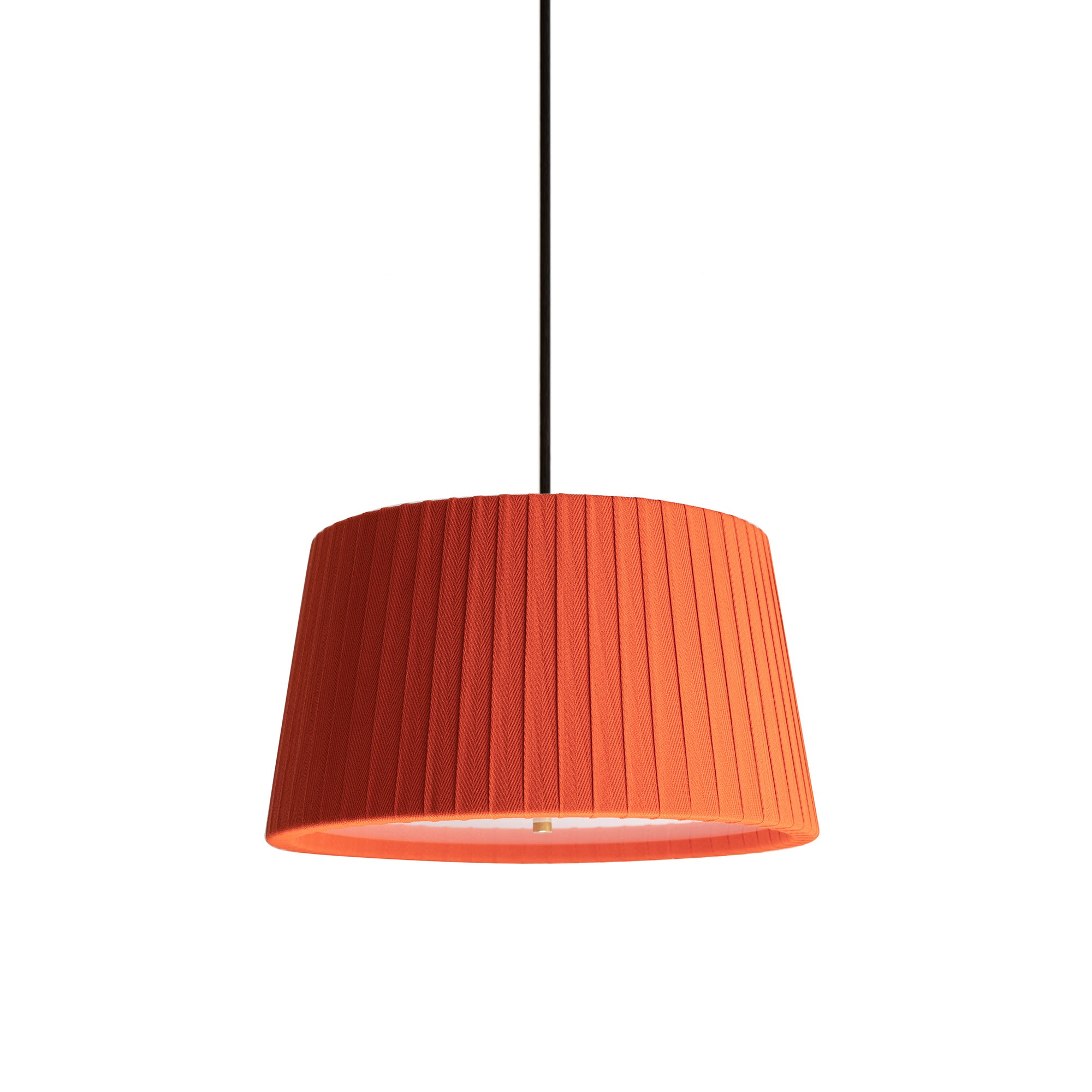
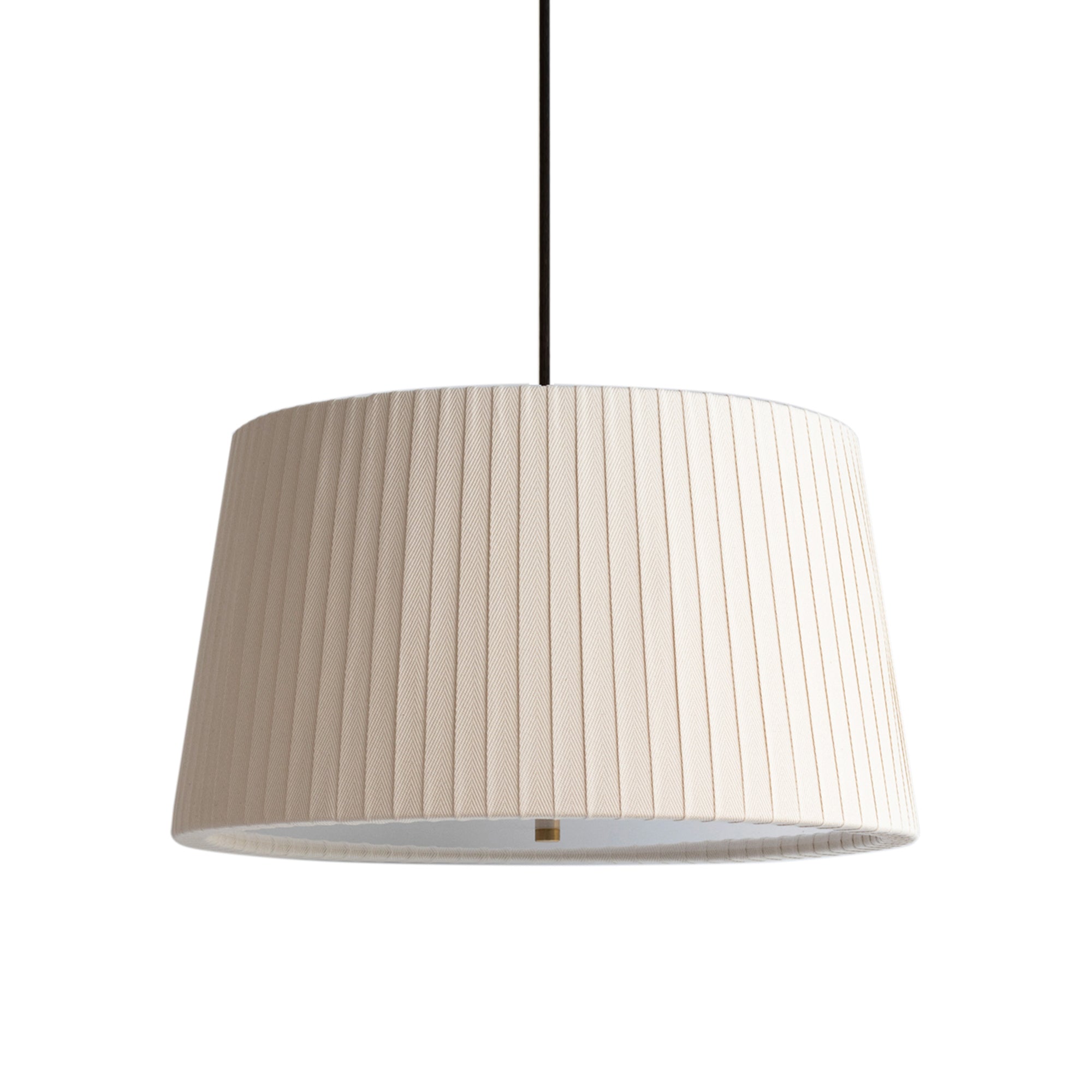

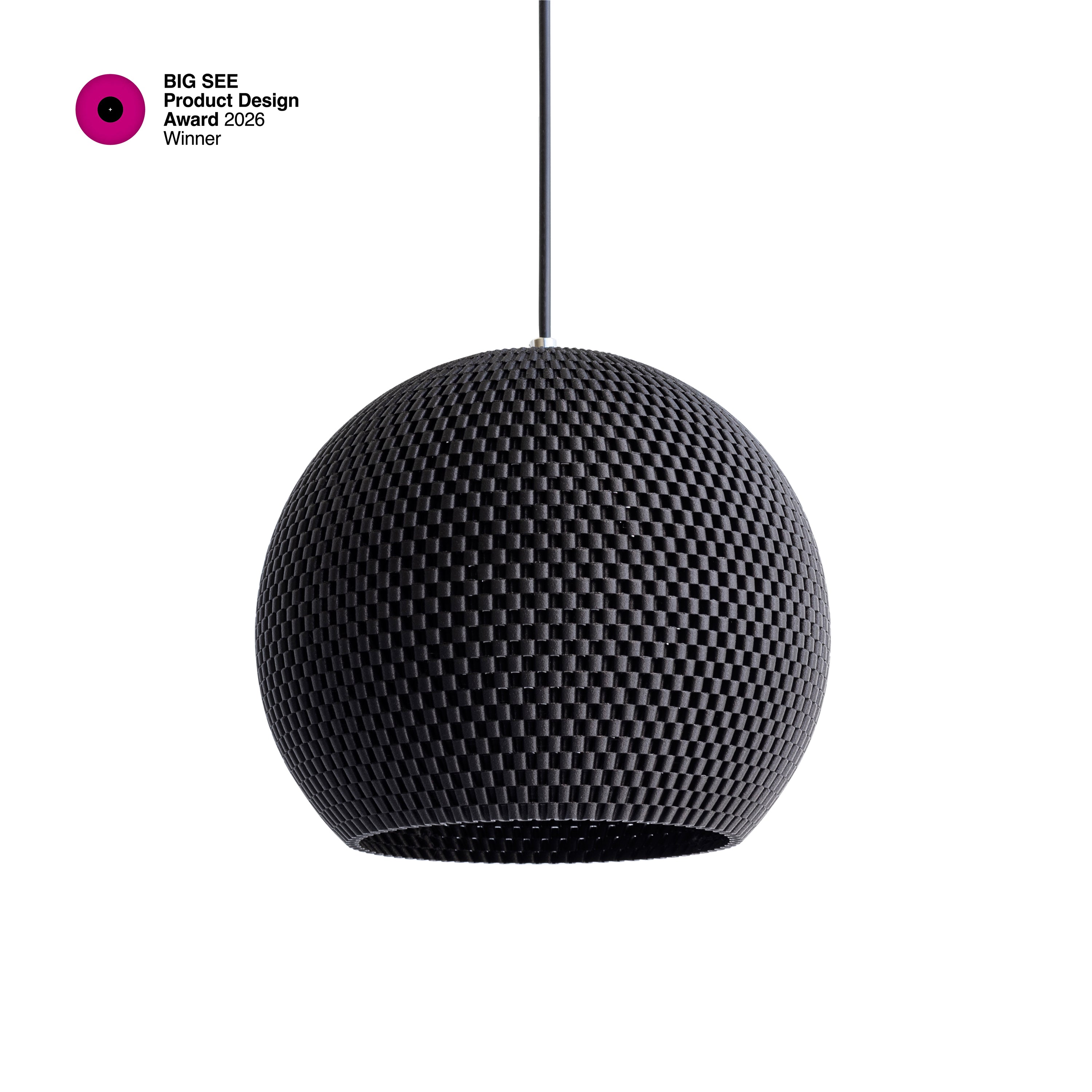
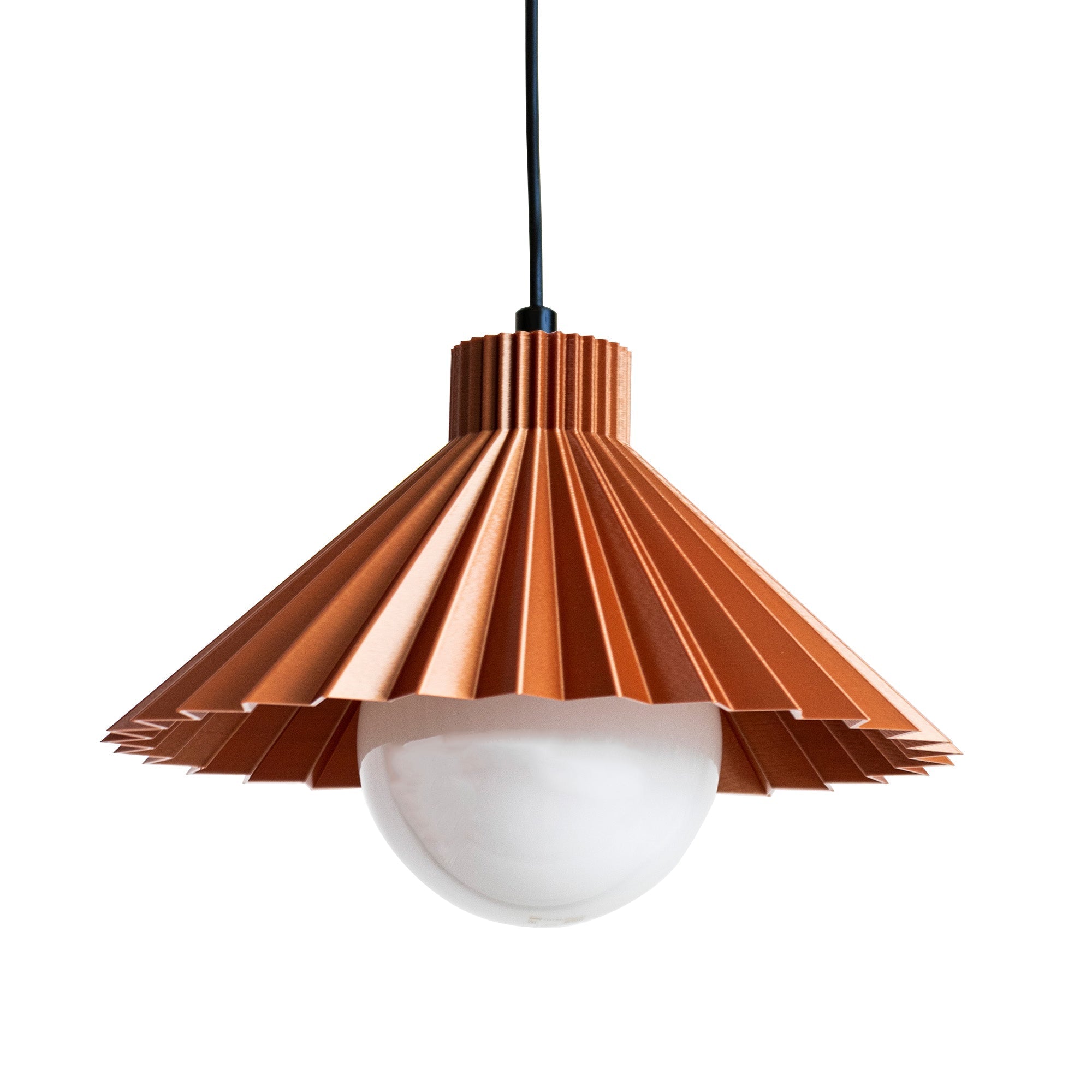

Pepon Pendant LampPendant Lamp
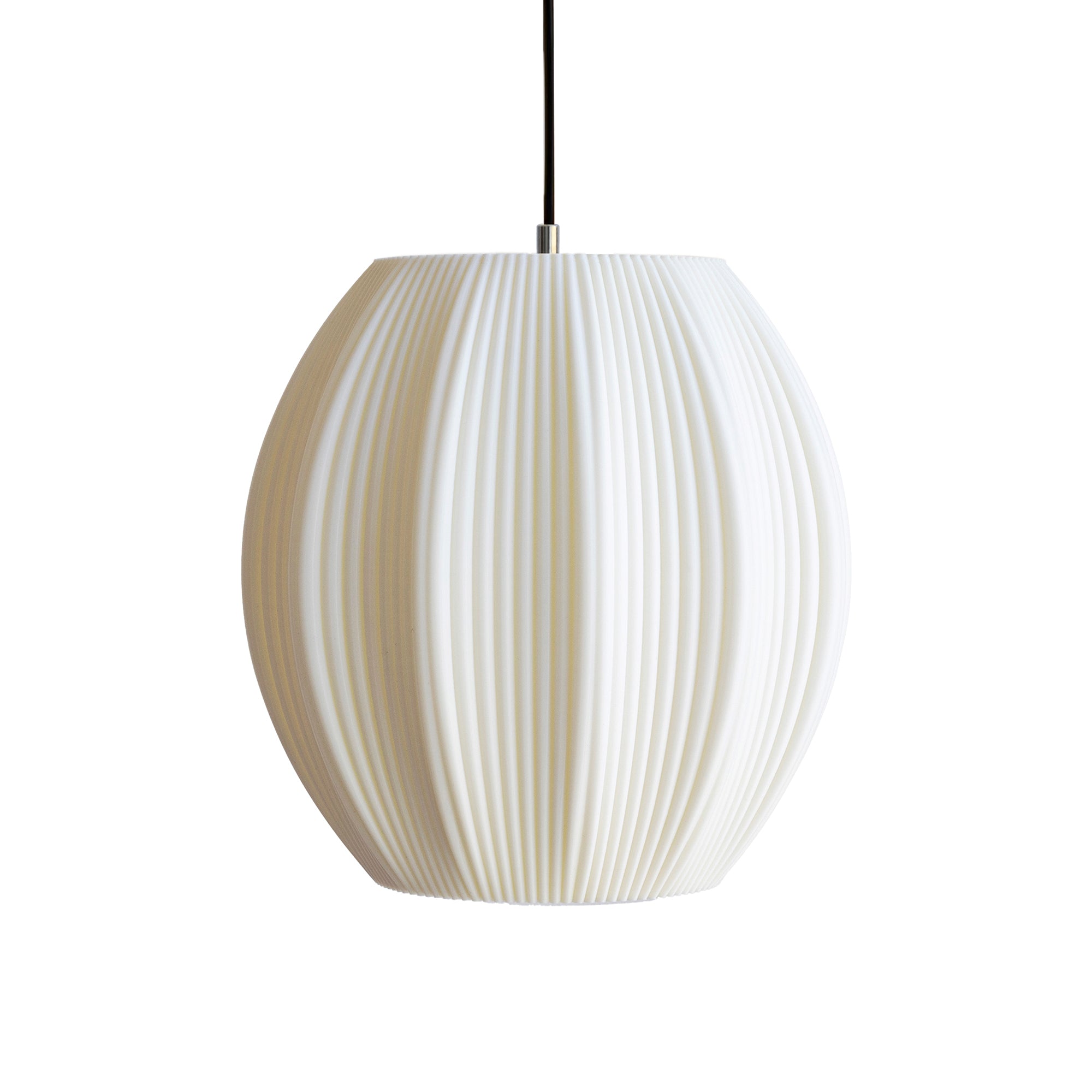
Rhoia Pendant LampPendant Lamp | Globe
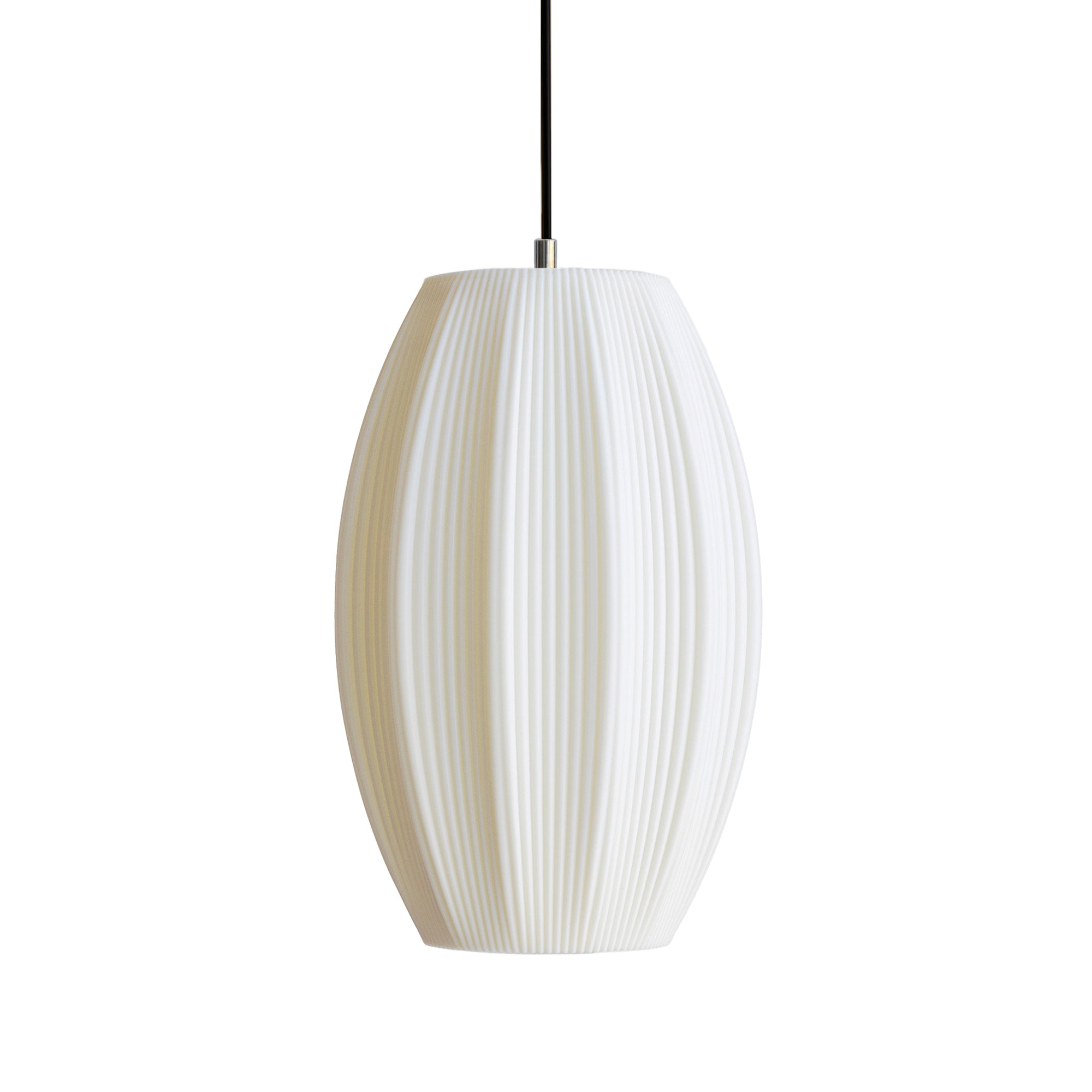
Rhoia Pendant LampPendant Lamp | Tube
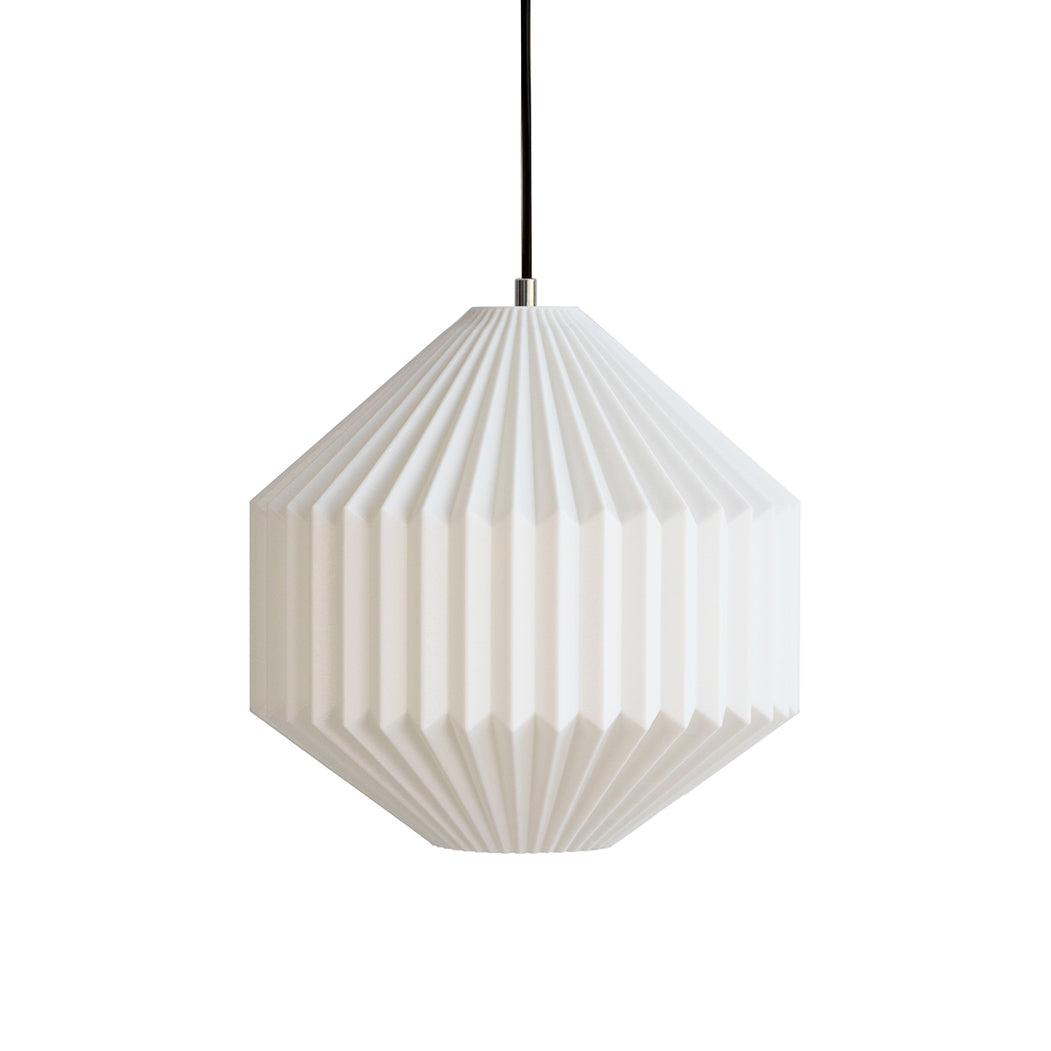
SoraTobu '1 Pendant LampPendant Lamp

SoraTobu '2 Pendant LampPendant Lamp
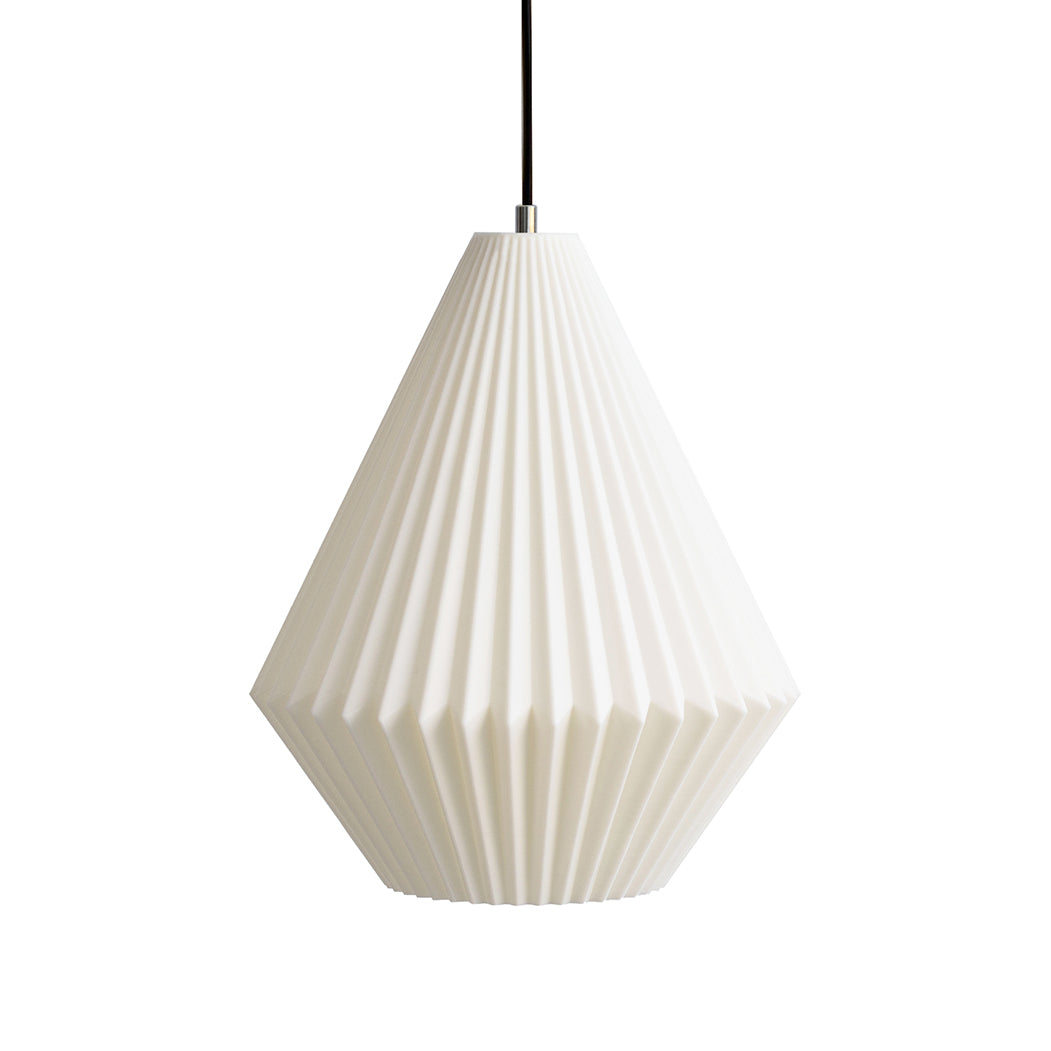
SoraTobu '3 Pendant LampPendant Lamp
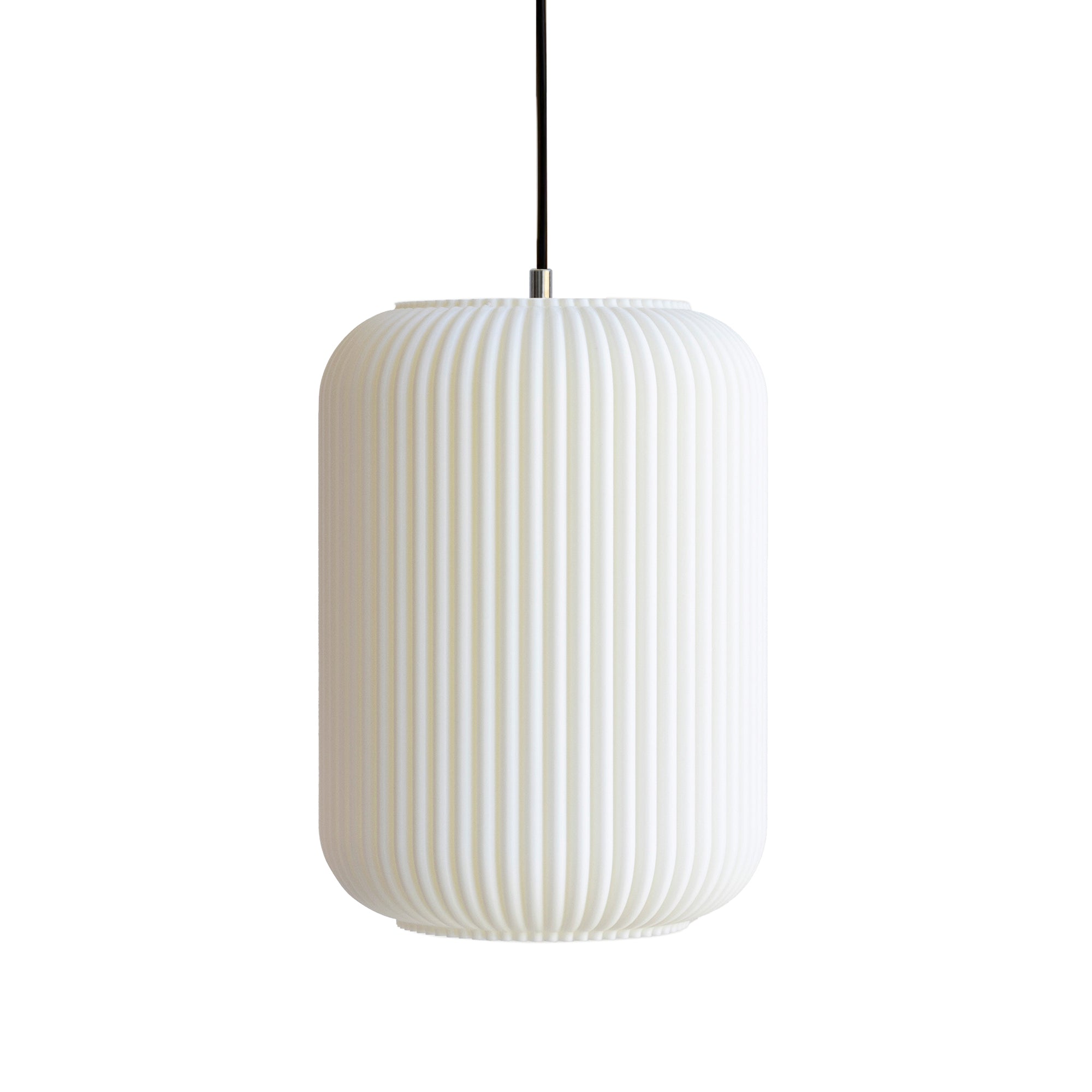
Helios Tall Pendant LampPendant Lamp | Tall
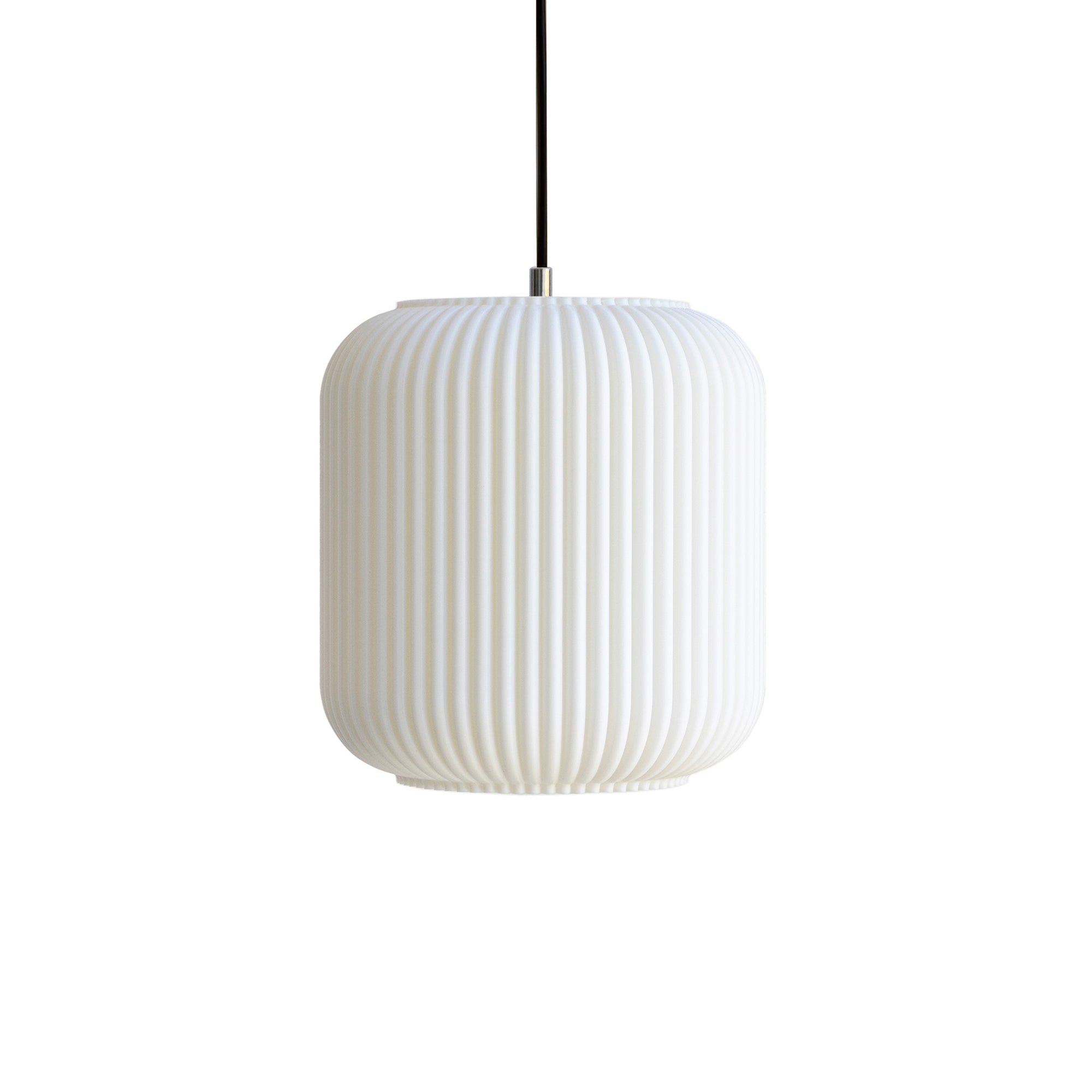
Helios Short Pendant LampPendant Lamp | Short